

Introduction
The construction industry is one of the most critical sectors of the economy, playing a pivotal role in developing infrastructure and housing. In Malaysia, the Construction Industry Development Board (CIDB) has implemented a system to regulate and ensure that professionals in the industry meet safety and quality standards. One of the key components of this system is the CIDB Card, a mandatory identification card for workers and contractors in the construction field.
This article serves as a comprehensive guide on everything you need to know about the CIDB Card. Whether you’re a new worker in the industry or a seasoned professional, understanding the importance of the CIDB Card, how to apply for it, its benefits, and what to do if it’s lost or expired is essential for ensuring a successful and compliant career in construction. Let’s dive into the details.
What is the CIDB Card?
The CIDB Card is an identification card issued by the Construction Industry Development Board (CIDB) to construction workers, contractors, and other industry professionals in Malaysia. Its purpose is to verify that individuals in the construction sector are certified, properly trained, and adhere to the necessary industry standards. The card is essentially a badge of professionalism that helps streamline the construction industry while ensuring that safety regulations are followed.

The CIDB Card is divided into different categories based on the role and level of expertise of the individual. For example, workers with technical skills are issued a separate card from contractors or supervisors. It’s important to note that the CIDB Card is required for any worker or professional involved in construction projects that require government oversight, including projects funded by the public sector.
While the CIDB Card serves as an official identification, it also acts as a certificate of competence, demonstrating that the cardholder has undergone the necessary training and certification programs. It is mandatory for those employed in various trades such as bricklaying, plumbing, electrical work, and even project management.
There are different types of CIDB Cards, and each is tailored to the job and level of competency of the holder. Below are the most common CIDB Cards:
- Construction Worker Card (CW): Issued to workers involved in manual construction work, such as general laborers and skilled tradespeople.
- Contractor Card: Issued to contractors and construction businesses. This card signifies that the individual or company meets the standards to undertake and manage construction projects.
- Supervisor and Technical Personnel Cards: These are for supervisory roles or technical staff like site supervisors, engineers, and project managers.
The CIDB Card is required by law for participation in public construction projects, and failure to possess a valid card can result in fines or disqualification from certain projects.
How to Apply for the CIDB Card
Obtaining the CIDB Card is a relatively straightforward process, but there are specific requirements and steps you need to follow to ensure that your application is successful. Below is a detailed guide on how to apply for your CIDB Card.
- Determine the Type of CIDB Card You Need
The first step is identifying which type of CIDB Card you need. Whether you’re applying for a worker card, contractor card, or supervisory card, you need to ensure that you meet the qualifications for the particular category. Different cards have different requirements in terms of skills, experience, and training.
- Gather the Required Documents
Before applying, you’ll need to gather all necessary documents. The documents typically required for the CIDB Card application include:
- A copy of your identification (e.g., MyKad for Malaysian citizens or passport for foreigners)
- Proof of relevant qualifications or training (e.g., certificates from recognized training programs)
- A completed application form (available on the CIDB website or at their offices)
- Passport-sized photos
- Proof of employment in the construction industry (for workers)
- Additional documents may be required depending on the type of card you’re applying for.
- Submit the Application
Once you’ve gathered all the documents, the next step is to submit your application. You can apply for the CIDB Card in one of three ways:
- Online Application: The CIDB has made the application process more accessible by offering online registration through their official website. You can fill out the application form, upload your documents, and pay the application fee online.
- In-Person Application: If you prefer, you can apply in person by visiting any CIDB office in Malaysia. An officer will guide you through the process, help you complete the form, and collect your documents.
- Apply Through a Third Party (Setia Tadbir): Another option is to apply through a third-party service provider, such as Setia Tadbir, which offers application assistance for the CIDB Card. You can visit their website at https://setiatadbir.my to submit your application. This service is particularly useful if you prefer assistance with the application process or if you are unable to apply directly through CIDB.
- Payment of Fees
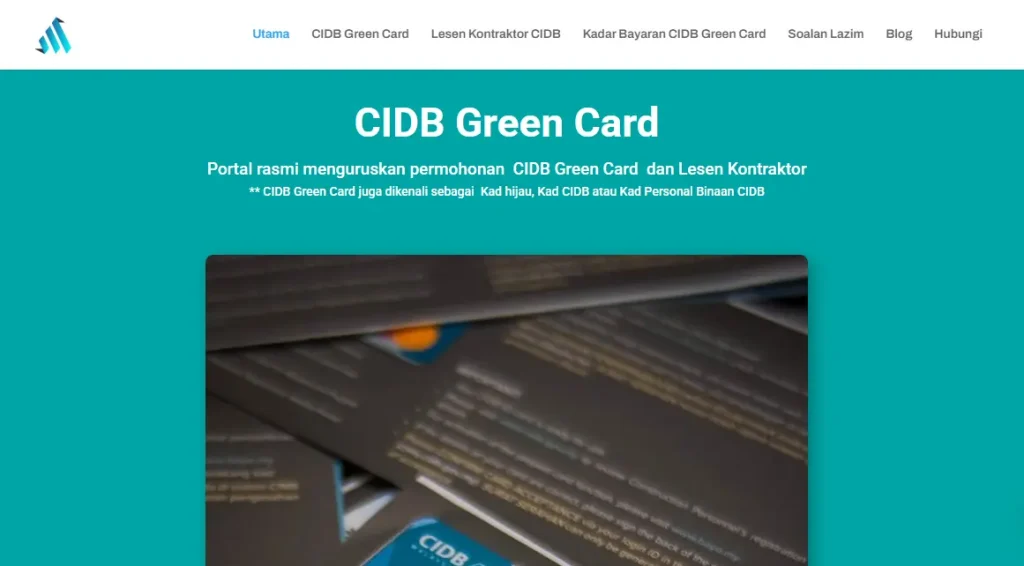
An application fee is required when applying for a CIDB Card. The fee varies depending on the type of card you’re applying for. Generally, the fee for construction workers is more affordable, while contractors may pay a higher fee. You can check the CIDB website or inquire at their office for the exact fee structure.
- Wait for Processing
After submitting your application, the CIDB will process your application. The processing time typically takes a few days to a couple of weeks, depending on the volume of applications. During this period, the CIDB will verify the details of your application and may contact you for any further information.
- Receive Your CIDB Card
Once your application is approved, you will receive your CIDB Card. If you applied online, the card may be mailed to your address, or you may be required to collect it from the CIDB office. If you applied in person, you may receive your card immediately or be notified when it’s ready for pick-up.
Benefits of the CIDB Card
The CIDB Card is more than just a regulatory requirement. It offers several key benefits to both individuals and companies in the construction industry. Here are some of the main advantages of holding a CIDB Card:
- Industry Recognition and Credibility
The CIDB Card is recognized across the construction industry in Malaysia. It serves as proof of competence and professionalism. For workers, it signifies that they have the necessary training and skills to perform their roles safely and efficiently. For contractors, it provides credibility, ensuring that they meet industry standards and are qualified to take on large-scale projects.
- Access to Better Job Opportunities
One of the significant advantages of having a CIDB Card is the access it provides to job opportunities. Many construction companies and government projects only hire workers and contractors who are registered with CIDB and possess a valid CIDB Card. This card essentially opens doors to more employment and project opportunities.
- Safety and Training Compliance
The CIDB Card ensures that workers and contractors are trained in the necessary safety procedures and compliance standards. It plays an essential role in promoting workplace safety, reducing accidents, and maintaining high standards of construction quality. By holding the card, workers demonstrate their understanding of safe practices, which is crucial on construction sites.
- Career Advancement
The CIDB Card is also beneficial for career advancement. For example, workers with specialized training may receive a higher-level card that qualifies them for better-paying and more advanced roles in construction. Similarly, contractors who hold a valid CIDB Card are more likely to be trusted with large projects, which can lead to business growth and opportunities to collaborate with other key players in the industry.
What to Do if Your CIDB Card Gets Lost or Expired
Like any official identification, the CIDB Card is subject to being lost or expiring. If you find yourself in either situation, there are steps you need to take to ensure that you can continue working legally in the construction sector.
- Lost CIDB Card
If your CIDB Card is lost or stolen, the first step is to report it to the CIDB. This can be done through their official website or by visiting one of their offices. Once reported, you can apply for a replacement card. You will need to provide the necessary identification and documentation to verify your identity, as well as pay a replacement fee.
- Expired CIDB Card
The CIDB Card typically has an expiration date, and it’s essential to renew your card before it expires. Renewal applications are similar to initial applications but may require fewer documents, depending on the circumstances. You can renew your CIDB Card online or in person, and it’s advisable to do so ahead of time to avoid any disruptions to your work schedule.
Conclusion
In conclusion, the CIDB Card is an essential tool for anyone involved in the Malaysian construction industry. Whether you’re a worker, contractor, or supervisor, having a CIDB Card ensures that you meet industry standards, comply with safety regulations, and gain access to a broader range of job opportunities. The process of applying for and maintaining the CIDB Card is straightforward, and the benefits it offers—ranging from credibility and career advancement to workplace safety—make it an indispensable part of your professional journey. So, if you haven’t already, now is the time to apply for your CIDB Card and take the first step toward building a successful career in construction.




Trackbacks/Pingbacks